What Is a Nondivisible Load? Permit Rules, the 8-Hour Test & Stacking
Before anyone prices an escort, picks a trailer, or files a route, one question decides whether an oversize or overweight permit is even possible: is the cargo a nondivisible load? Permit offices issue size and weight permits for loads that cannot reasonably be broken down. If a load can be split into legal pieces, the usual answer is to split it, not to permit it. Getting this right early keeps a shipper from planning around a permit that the state will never issue.
This Guide explains the federal definition in 23 CFR 658.5, how Texas and Florida apply it, the gray areas that cause real disputes (attachments, counterweights, stacked items), and a checklist to run before you ask for a quote.
What Counts as a Nondivisible Load?
The federal definition sits in 23 CFR 658.5. A nondivisible load or vehicle is any load or vehicle exceeding applicable length or weight limits which, if separated into smaller loads or vehicles, would:
- Compromise the intended use of the vehicle, meaning it could no longer perform the function it was built for;
- Destroy the value of the load or vehicle, meaning it would be unusable for its intended purpose; or
- Require more than 8 workhours to dismantle using appropriate equipment.
The same rule puts the burden of proof on the applicant for the number of workhours needed to dismantle the load. If you claim a machine takes more than eight hours to break down, be ready to back that up with manufacturer procedures or a rigging plan.
The rule also lets a state treat three special categories as nondivisible: emergency response vehicles spreading salt, sand, or chemicals on icy roads; casks designed to transport spent nuclear materials; and military vehicles transporting marked military equipment or materiel.
Why the definition matters so much
FHWA’s Oversize/Overweight Load Permits page spells out the practical effect. The federal government does not issue oversize or overweight permits; that is a state option. But states may issue permits for nondivisible vehicles or loads without regard to the axle, gross, or Federal bridge formula requirements. Divisible loads get no such general pass. FHWA notes that divisible load permits exist only where a state has historic grandfather rights or Congressional authorization for a specific commodity or route. For how axle spacing and gross weight interact once a load does qualify, see our Federal Bridge Formula guide.
One Test or All Three?
The three prongs are joined by “or.” The Specialized Carriers & Rigging Association (SC&RA) made this point in a 2018 letter to FHWA: a load that meets any one of the three should be considered nondivisible. The same letter said that some state officials misread the definition as requiring all three, most often when applying the 8-hour dismantle test, and that interpretations of the same load can differ from state to state.
The letter used two examples that still come up in heavy haul planning. Transformers shipped with insulating fluid, where draining the oil fits the dismantle test and the other two prongs, and crane counterweights, which manufacturers say a mobile crane needs for balance. SC&RA asked FHWA for guidance because treatment of both varied between jurisdictions. The practical lesson: when cargo is borderline, confirm how each state on the route classifies it before you commit to a pickup date.
How Texas Applies the Definition
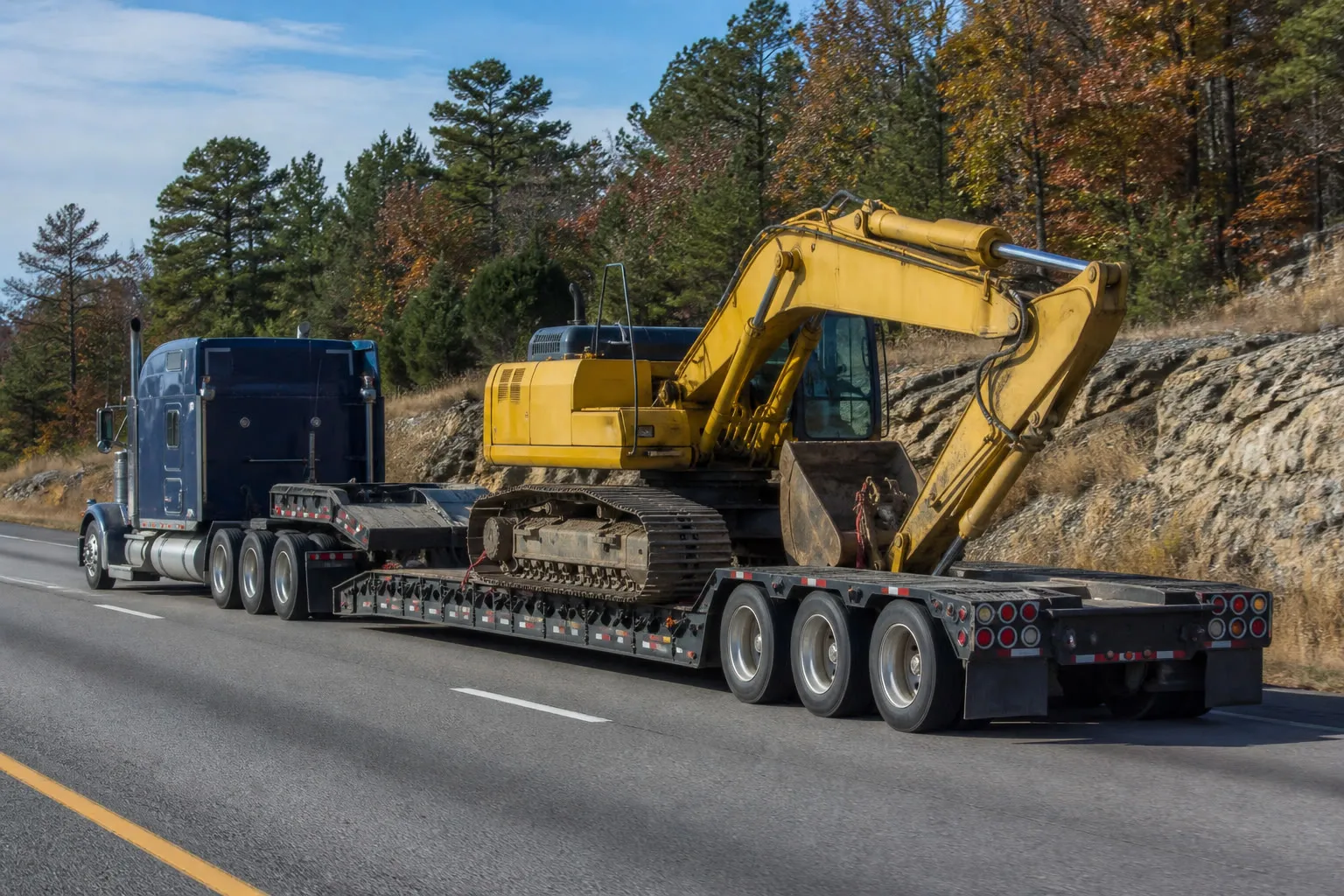
Texas copies the federal three-part test almost word for word in 43 Texas Administrative Code 219.2, including the eight-workhour threshold, the applicant’s burden of proof, and the same three special categories. Texas statute frames permits the same way: Texas Transportation Code 623.071 lets the department issue permits for equipment that exceeds size or weight limits for “equipment or a commodity that cannot reasonably be dismantled.”
Attachments and components in Texas
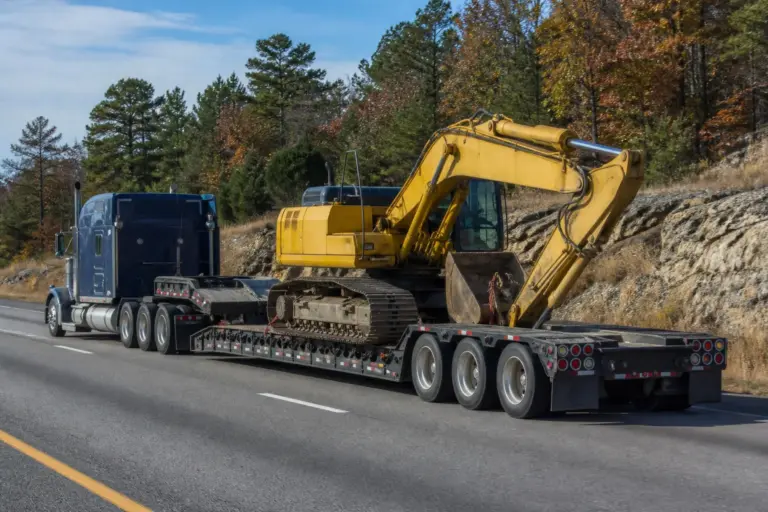
Texas goes further than the federal rule on a question shippers ask constantly: can the parts that belong to a machine ride along? Under 43 TAC 219.2, a permitted vehicle or load that is overweight even without its properly secured components may travel with those components, in line with the manufacturer’s specifications and to the extent they are needed for the vehicle or load to perform its intended function, as long as axle, axle group, and gross weights stay within the maximum permit weights. The rule gives two examples:
- A permitted crane traveling with outriggers, booms, counterweights, jibs, blocks, balls, cribbing, outrigger pads, and outrigger mats.
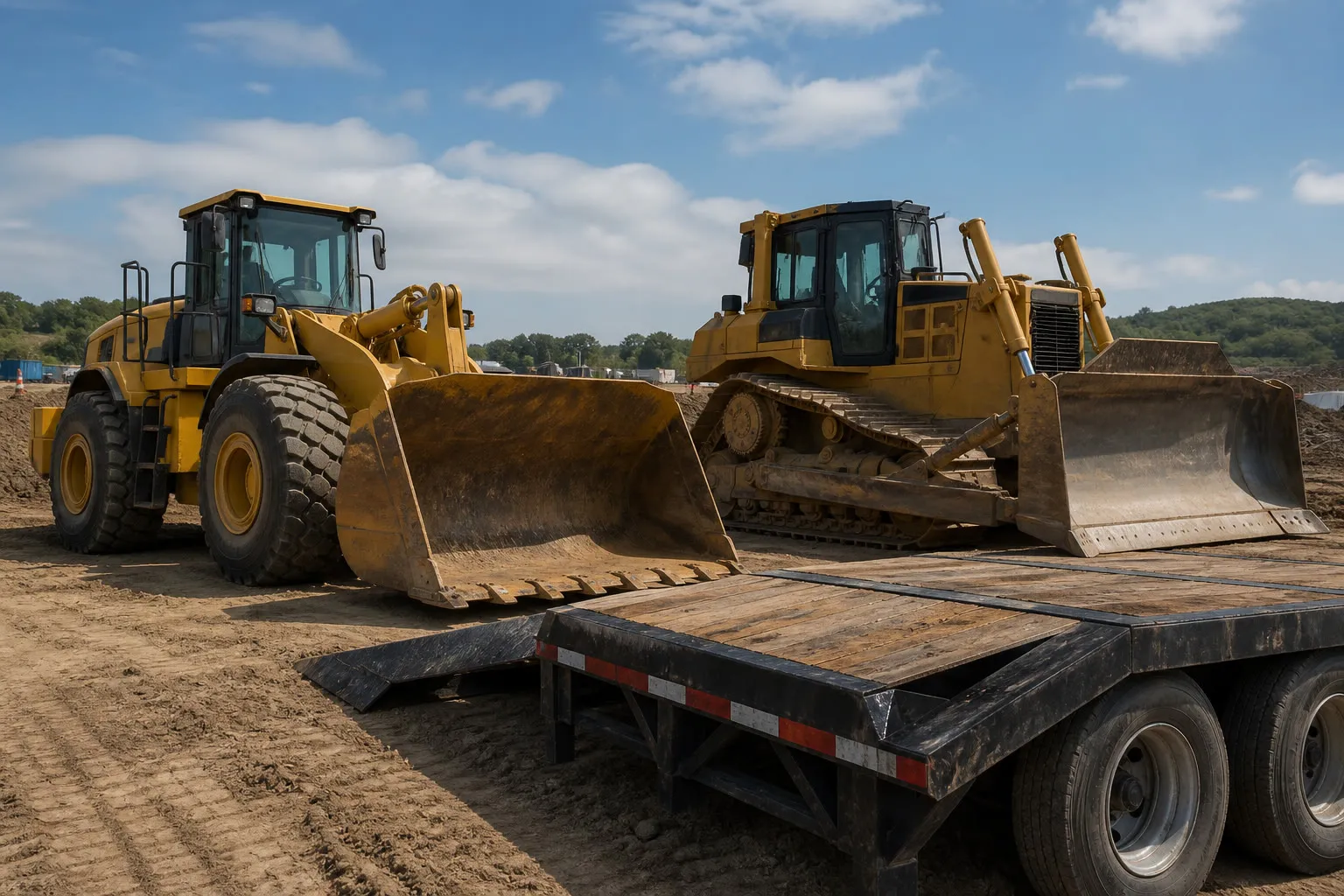
- A dozer with its blade detached, hauled together with the blade on a trailer, when the dozer without the blade is overweight.
Stacking more than one item
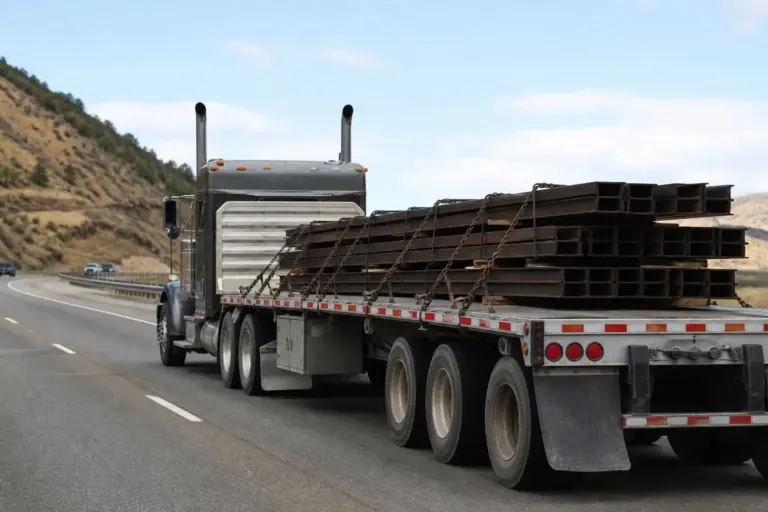
TxDMV’s General Single-Trip Permits page adds a rule that catches many first-time shippers: hauling more than one item may not cause or increase a dimension or weight beyond Texas legal limits. TxDMV’s example is 10-foot-wide steel plates, which may be stacked only if overall height does not exceed 14 feet and weight stays within legal axle and gross limits. In plain terms, the permit covers the one thing that can’t be reduced, not a second item that makes the load bigger.
How Florida Handles Permits and Divisible Loads
Florida Statute 316.550 bars an oversize or overweight vehicle or load from a public road unless the owner or operator first obtains a special permit from the governing jurisdiction, and it lets FDOT or a local authority issue or withhold that permit at its discretion and set conditions on it. Every permit must be carried in the vehicle and may be inspected by police officers or authorized agents.
Florida also has a narrow divisible-load option. According to FDOT’s Motor Carrier Size and Weight Q&A, divisible load permits (often called 10% permits) are allowed for commercial vehicles that do not exceed statutory weight limits plus 10 percent, are valid only off the Interstate highway system on designated routes, and are not valid on the Interstate. That is a weight tolerance permit on approved routes, not a way to move an oversize divisible load anywhere you like. Statute 316.550(4) adds that the designated route must avoid any bridge FDOT determines can’t safely carry the authorized weight.
What happens if the move breaks the permit
Florida law treats permit conditions seriously. Under 316.550(10), violating an operational or safety stipulation on a permit carries a penalty of up to $1,000 per violation, capped at $1,000 total per vehicle. Violating a special condition that is in FDOT rules and declared on the permit makes the permit null and void for that vehicle, so it is judged against normal legal size and weight limits, with penalties assessed on top.
Divisible vs. Nondivisible: Common Load Examples
The table below shows how the federal test usually plays out. These are general patterns, not rulings; the permit office on each route makes the final call.
| Load | Typical treatment | Why |
|---|---|---|
| Excavator, dozer, or loader too heavy or wide as a unit | Usually nondivisible | Splitting the machine would compromise its function or take more than 8 workhours to dismantle |
| Machine with blade, bucket, or counterweights | Depends on the state | Texas lets needed components travel within permit weights; other states may require removal |
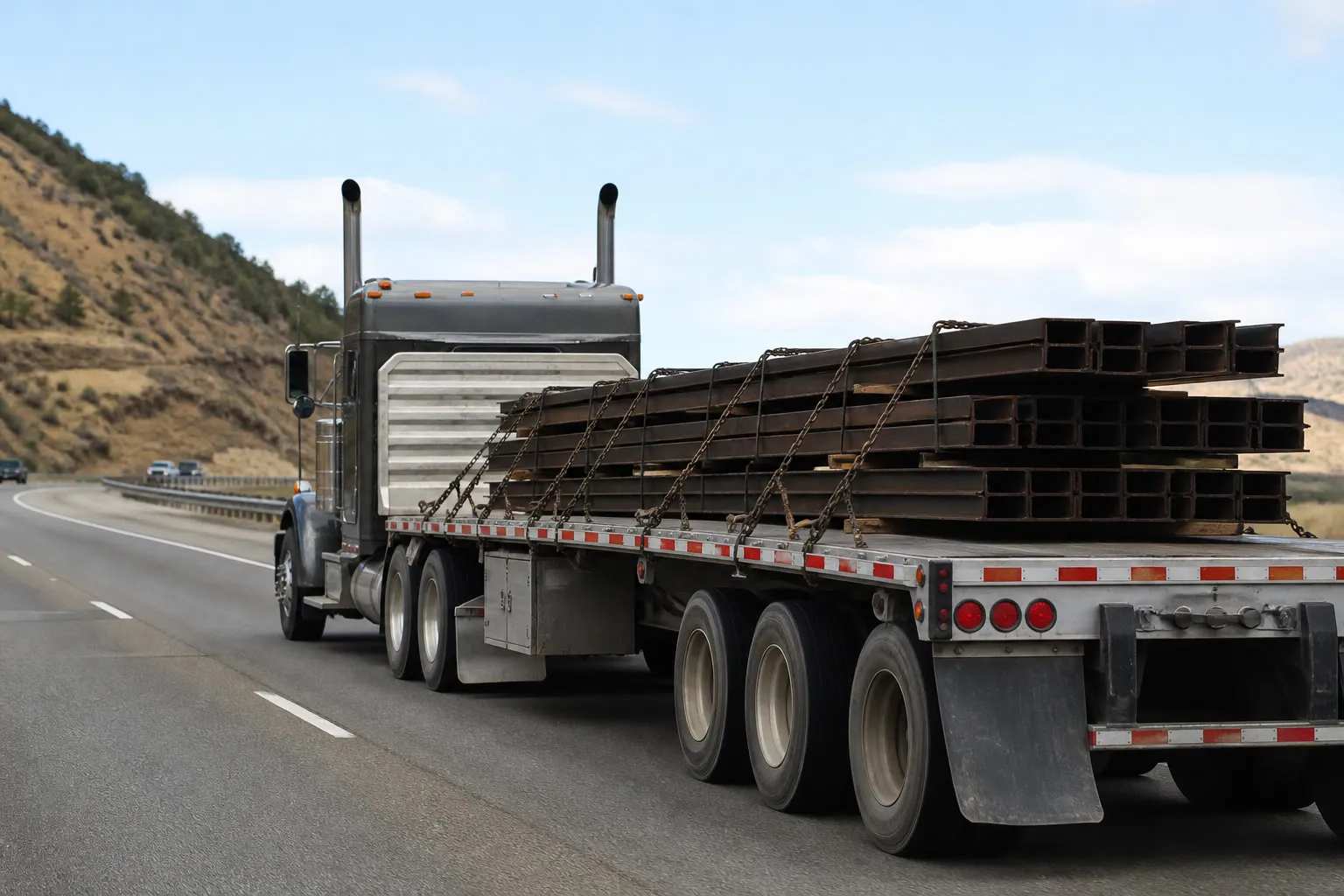
| Steel plates or beams stacked side by side or on top | Often divisible | Pieces can usually move as separate legal loads; Texas bars stacking that creates or increases an excess dimension or weight |
| Single long girder, wind blade, or tank | Usually nondivisible | One piece; cutting it would destroy its value |
| Transformer shipped with fluid | Disputed | SC&RA reported inconsistent state treatment |
| Bulk aggregate or loose freight over legal weight | Divisible | Can be reduced by unloading; Florida’s 10% permit covers limited weight tolerance off-Interstate only |
Pre-Quote Checklist: Is Your Load Permit-Eligible?
- List every item on the trailer. Each extra item must not create or increase an excess dimension or weight.
- Get the manufacturer’s spec sheet for weight with and without attachments, buckets, blades, or counterweights.
- Estimate dismantle time with appropriate equipment. If you rely on the 8-workhour test, document it.
- Measure length, width, height, and overhang the way permit offices do. Our measuring guide walks through it.
- Check gross weight and axle loads. Very heavy moves may fall into superload review.
- Confirm how each state on the route treats borderline cargo (fluids, counterweights, attachments).
- Decide on a single-trip or annual permit only after eligibility is clear.
- Keep copies of permits and conditions with the driver. Florida requires the permit to be in the vehicle.
Related Planning Guides
- What Is a Superload Permit?
- Single-Trip vs. Annual Oversize Permits
- Oversize Load Width Limits
- When Do You Need a Pilot Car?
- Permits & Escorts
- RGN vs Step-Deck: Choosing the Right Trailer
- Heavy Haul Cost Factors
Get a Permit-Ready Quote
Logi Transports LLC is a freight broker based in Sebastian, FL (MC-1636889, USDOT 4230991) that arranges oversize and overweight moves with permitted carriers. Send the item list, spec sheet, dimensions, weight, and pickup and delivery points, and we’ll flag divisibility questions before they hold up a permit. Call (864) 791-5644, email quotes@logitransports.com, or request a quote online. You can also review how to get an oversize quote.
Sources
- 23 CFR 658.5 (definition of nondivisible load or vehicle)
- FHWA’s Oversize/Overweight Load Permits page
- 43 Texas Administrative Code 219.2
- Texas Transportation Code 623.071
- TxDMV’s General Single-Trip Permits page
- Florida Statute 316.550
- FDOT’s Motor Carrier Size and Weight Q&A
- Specialized Carriers & Rigging Association, 2018 letter to FHWA on the non-divisible load definition (March 13, 2018)
This Guide summarizes federal, Texas, and Florida rules for planning purposes. Definitions and permit conditions vary by state and change over time; your permit and the issuing office govern each move.