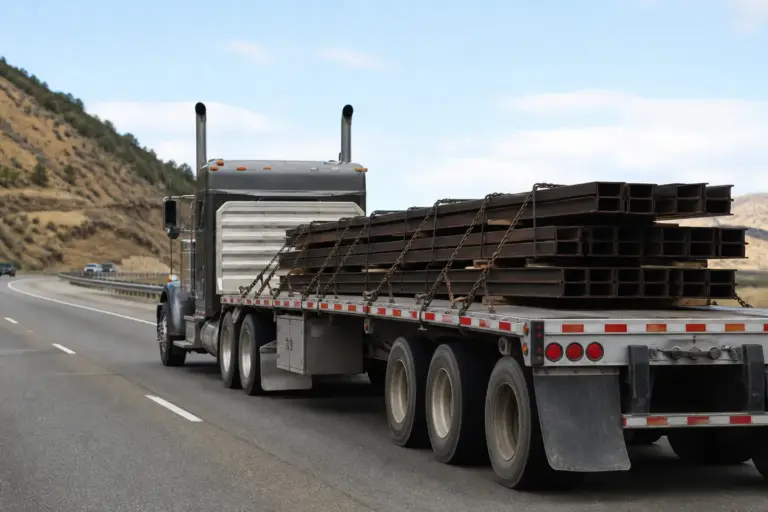
What Is a Superload Permit? Superheavy Thresholds & Multi-State Planning
Shippers say “superload” the way people say “heavy haul”—as industry slang for a move that is clearly past routine oversize. The problem is that what is a superload permit is not a federal question with one national form. The federal government does not issue oversize/overweight (OS/OW) permits; states do. Thresholds, engineering steps, fees, and lead times are state-defined—and they change how you plan extreme nondivisible freight.
At Oversize Load Transport, we treat “superload” as a planning flag: more weight, tighter axle spacing, bridge analysis, longer permit lead time, and often stricter escort and travel-window rules than a standard OS/OW trip permit. This Guide explains the federal baseline, what shippers usually mean by superload vs. routine oversize, verified Texas Superheavy triggers and process, how Florida evaluates extreme moves under its issuance criteria, and a practical multi-state checklist.
Federal Baseline: No Federal Superload Permit
The Federal Highway Administration (FHWA) is explicit: states issue OS/OW permits. On the Interstate system, the familiar federal weight framework includes an 80,000 lb gross vehicle weight (GVW) baseline, 20,000 lb on a single axle, 34,000 lb on a tandem, and the Federal Bridge Formula. States may still permit nondivisible OS/OW loads beyond those baselines under their own programs.
FHWA’s nondivisible-load concept matters for extreme moves. In practical terms, a load is nondivisible if separating it would compromise its intended use, destroy its value, or take more than eight work hours to dismantle. That definition is why transformers, press frames, large vessels, and certain plant modules stay whole—and why they push into specialty permit tracks instead of being “broken down” into legal freight. For the federal overview and state-permit context, see FHWA’s Oversize/Overweight Load Permits page.
Bottom line: there is no USDOT “superload permit” you can print once and run coast to coast. Every jurisdiction on the route still has to say yes—on its own terms.
What Shippers Mean by Superload vs. Routine Oversize
Routine oversize is usually dimensional: width, height, length, or overhang past legal limits, with a standard trip or annual/blanket permit path, flags/signs, and sometimes escorts once you cross state triggers. You still need accurate measurements—see our Guide on how to measure an oversize load for a permit quote—but the process is familiar.
When shippers say superload, they usually mean one or more of these:
- Gross weight or axle-group weights far above ordinary permit tables
- Axle spacing that concentrates load on bridges and pavement
- A state label such as Texas “Superheavy,” or an engineering/route-survey path even if the state does not use that word
- Multi-week lead time for bridge analysis, PE reports, or district approvals
- Escort packages and travel windows that stack across state lines
Trailer choice still matters. Extreme weight often lands on multi-axle RGN or specialized configurations rather than a simple step-deck—compare options in our RGN vs. step-deck page and service overview for oversize & overweight and heavy equipment hauling.
Verified Example: Texas Superheavy Single-Trip Permits
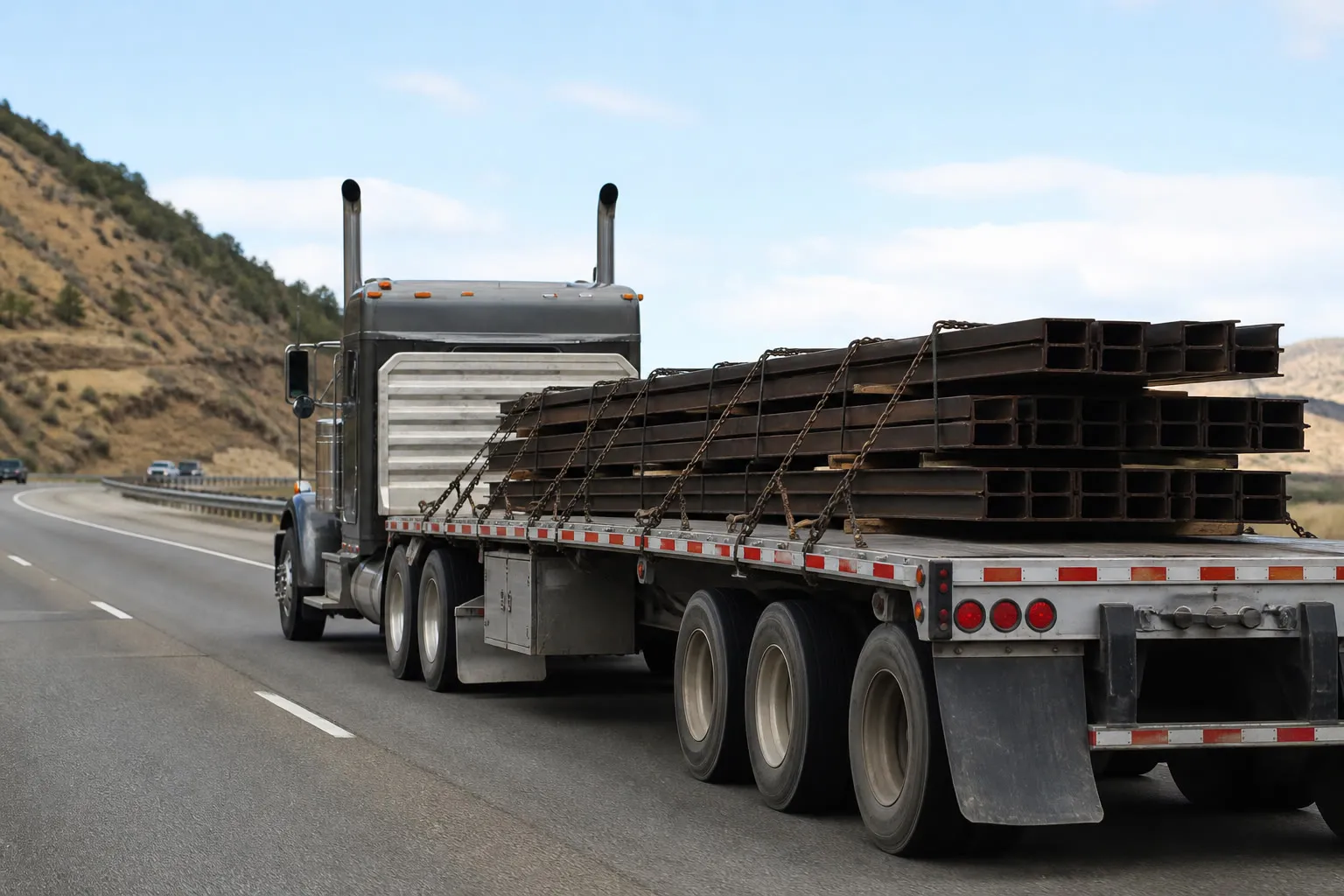
Texas is one of the clearest places to answer “what is a superload permit” with a published name and thresholds. TxDMV’s Superheavy single-trip permit covers certain nondivisible vehicles/loads that:
- Exceed 254,300 lb total gross weight, or
- Exceed maximum permit weights on any axle or axle group, or
- Weigh between 200,001 and 254,300 lb with less than 95 feet of axle spacing
Those triggers also appear in Texas Admin. Code provisions for Superheavy applications (see 43 Tex. Admin. Code § 219.12). Unless a special subsection applies, the permit path is not for a container/trailer hauling divisible cargo.
TxPROS timing, PE bridge report, and fees
Applications run through TxPROS. TxDMV guidance is to submit about 3–4 weeks before the move is needed unless an approved route is already on file—because Superheavy work includes route approval plus bridge/pavement analysis. The administrative path (summarized from TAC § 219.12) typically includes a tentative route by size (excluding weight), applicant investigation and acknowledgment that the route can accommodate the load, engagement of a TxDOT-certified licensed PE firm, a written bridge report (structural analysis of bridges/culverts), and TxDOT approval before the permit issues.
Fee items published on TxDMV’s Superheavy single-trip page include a permit fee of $60, a highway maintenance fee of $375, and a vehicle supervision fee (VSF). VSF table items include TxDOT analysis of an outside engineer’s report at $500; additional identical permit loads within 30 days at $35; and $100 when no bridges are crossed on the route. TAC § 219.12(b)(3) likewise ties VSF amounts to whether the load is over 254,300 lb, under 95 ft axle spacing, or over max axle/group weights—and reduces analysis cost when no bridges are crossed.
Expect the usual compliance checks (including USDOT/FMCSA MCMIS screening for out-of-service orders), general escort/equipment rules still applying as stated on the permit, possible TxDOT district coordination, and district approvals that TxDMV notes as valid for 30 days from the movement date entered at application. Always read the issued permit—conditions control. Primary source: TxDMV Superheavy Single Trip.
Florida: Extreme Moves Without a “Superheavy” Label
Florida does not mirror Texas’s “Superheavy” brand name, but extreme OS/OW moves still get engineered differently. Under Fla. Admin. Code R. 14-26.00425 (Criteria for Issuance of Permits), the Department considers whether the load can be reasonably dismantled; public safety; traffic delay; pavement/structure damage risk; axle load and spacing based on structural analysis of bridges to be crossed; construction activity; compliance history; and all relevant move details.
For extreme dimensions, Florida’s criteria also call for survey letters: a vertical-clearance survey letter if the load is over 18 ft high, and a horizontal-clearance survey letter if over 22 ft wide. That is engineering and field work—not a same-day click-through permit.
Separately, FDOT’s “When Do You Need a Permit?” framing reminds shippers of legal baselines commonly cited for Florida planning: legal width 102″ (96″ on roads with lanes under 12′), height 13′6″, various length limits, and weight under Florida Statute 316.535, with trip vs. blanket permit options. Daylight travel is generally from one-half hour before sunrise to one-half hour after sunset, and moves should stop when visibility drops below 1,000 feet—details that interact with blackouts and holiday windows covered in our travel restrictions Guide.
So if your Florida origin or destination is “superload-class” weight or clearance, plan for bridge analysis and possible survey letters even though the permit name will not say Superheavy.
Why Multi-State “Superloads” Break Schedules
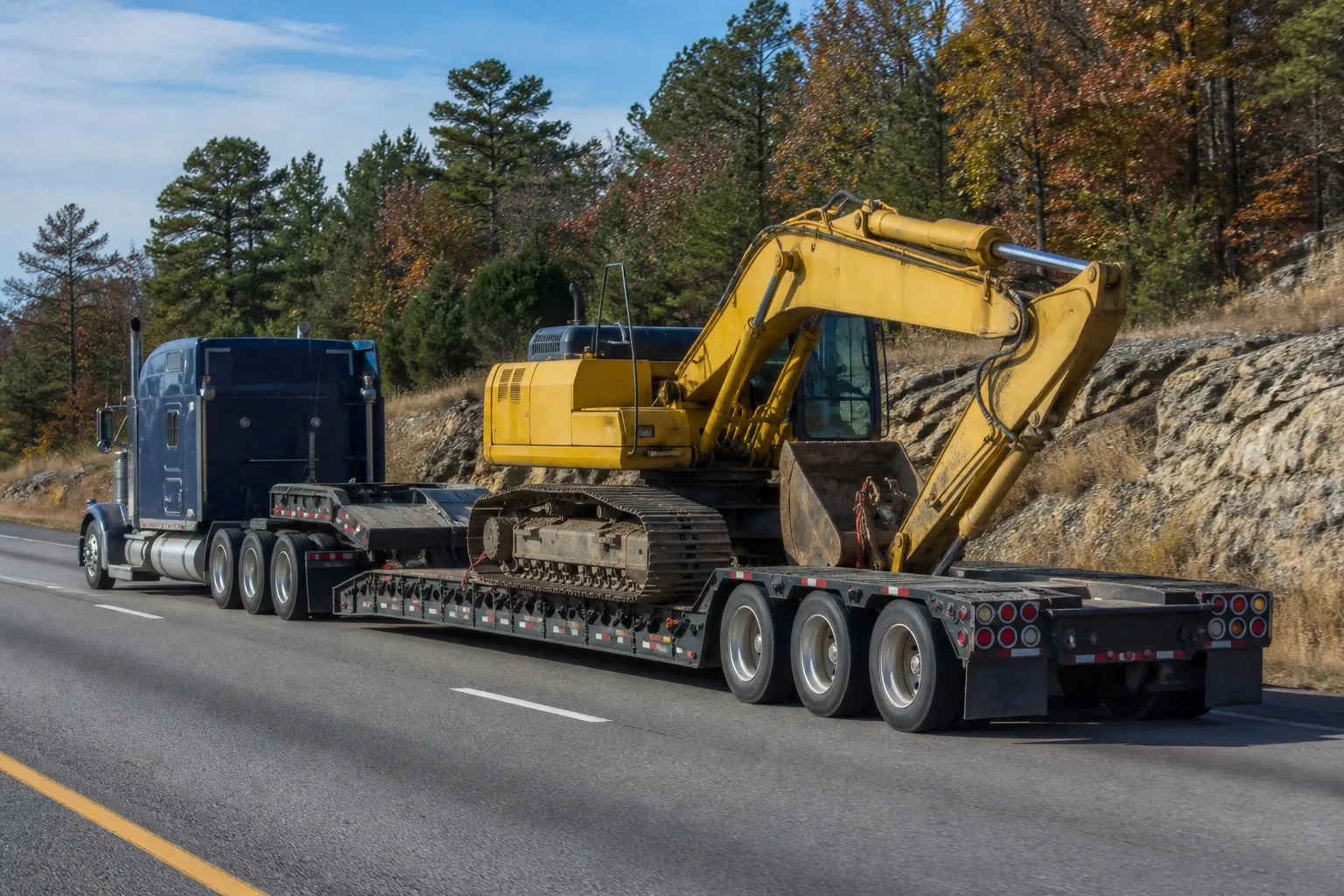
One state’s Superheavy clock does not own the corridor. A Texas PE bridge report and 3–4 week TxPROS lead time can sit next to another state’s bridge analysis, route survey, or law-enforcement escort requirement. Escort counts and placement still vary by dimension and roadway type—see when you need a pilot car and our permits & escorts overview.
Common schedule breakers (state-varies until confirmed on the permit):
- Engineering lead time that does not start until accurate axle maps and loaded weights are final
- District or local approvals with short validity windows after the move date is locked
- Daylight-only and holiday blackouts that shrink usable travel days on long corridors
- Escort availability (civilian and law-enforcement) on the exact dates the permits allow
- Utility or clearance work when height/width surveys show conflicts
Treat every non-Texas, non-Florida jurisdiction as state-varies until you have current rules or a live permit condition in hand. Patterns from industry roundups are not a substitute for the state on your route.
Shipper Planning Checklist for Superload-Class Moves
- Confirm nondivisible status — Can it be separated without destroying value or taking more than eight work hours? Document why it stays whole.
- Lock loaded weights and axle spacing — Not brochure weight; scale tickets and a real axle map after the unit is on the trailer.
- Measure loaded dimensions — Height, width, length, overhang; trailer deck height included. Use our measurement Guide before quoting permits.
- List every state (and key local jurisdictions) — Flag any that use Superheavy-style or bridge-analysis triggers.
- Budget engineering time first — Texas-style PE bridge reports and Florida survey letters for extreme height/width are lead-time drivers, not paperwork afterthoughts.
- Align escorts and travel windows — Match pilot-car counts, LE escorts if required, and daylight/holiday rules to the slowest state on the corridor.
- Read the issued permit — Fees, supervision, district validity, and special conditions override blog summaries—including this one.
Get a Superload-Ready Quote Plan
If you are asking what a superload permit is for your specific transformer, vessel, press, or plant module, the useful answer is a route-and-threshold review—not a one-word label. Share origin, destination, loaded dimensions, gross weight, axle spacing, and timing.
Call (864) 791-5644, email quotes@logitransports.com, use our contact page, or submit the quote request form. Logi Transports LLC (Sebastian, FL — MC-1636889 / USDOT 4230991) coordinates OS/OW planning so extreme moves get engineering lead time on the calendar before the truck is expected to roll.
Bottom line: A “superload permit” is state-defined. Federally, there is no single superload ticket—only baselines and a nondivisible-load concept. Texas Superheavy has clear weight/axle-spacing triggers, TxPROS timing, PE bridge analysis, and published fees. Florida evaluates extreme moves through issuance criteria that include bridge structural analysis and survey letters for very high or wide loads. Plan multi-state corridors around the slowest engineering and travel window, not the easiest permit name.