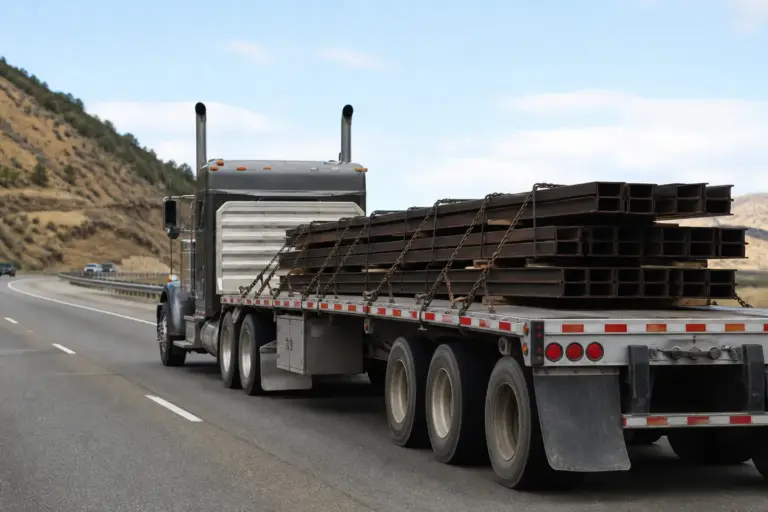
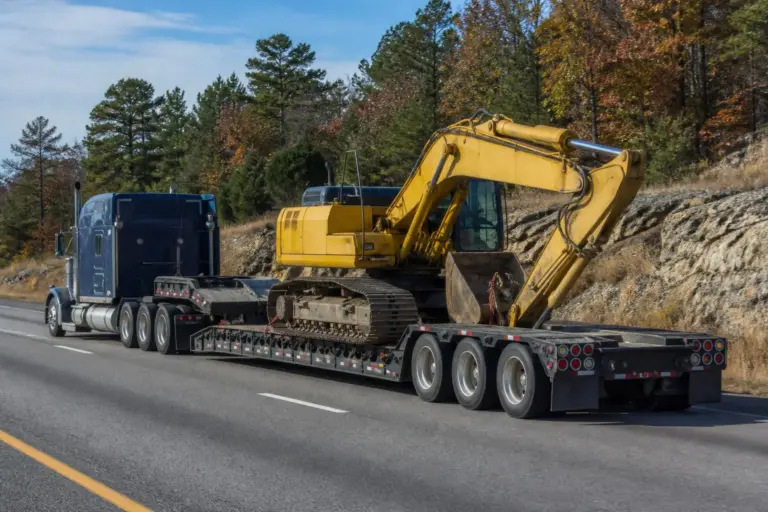
Single-Trip vs. Annual Oversize Permits: Which One Fits Your Loads?
Every oversize shipper eventually asks the same budgeting question: should this move run on a single-trip permit, or does it make sense to carry an annual oversize permit (Florida calls it a blanket permit; Texas sells an annual envelope)? The answer changes your cost, your lead time, and how much flexibility the truck has when a job moves by a day.
Start with the rule that governs everything else. The Federal Highway Administration (FHWA) does not issue oversize/overweight (OS/OW) permits. States do, and each state decides which permit types exist, what dimensions they cover, how long they last, and what they cost. There is no national annual permit that covers a load coast to coast.
This Guide compares single-trip and annual permits using two verified examples, Florida and Texas, and gives you a simple way to decide which one fits your freight. It pairs with our Guides on measuring an oversize load for a permit quote and superload permits, because the permit type you can use depends entirely on your loaded dimensions and weight.
Single-Trip vs. Annual Permits in Plain Terms
- Single-trip (trip) permit: One move, one origin, one destination, one route, and a short validity window. You buy it per load. It can usually cover larger dimensions and heavier weights than an annual permit, and it is the default for one-off equipment moves.
- Annual / blanket / envelope permit: Bought once and used repeatedly for a year, but only inside a fixed dimension and weight “envelope.” It suits carriers and shippers who move similar-sized freight again and again, such as contractors rotating mid-size machines between job sites.
- In-between options: Some states also sell multi-month or route-specific permits. Florida’s three-month route-specific blanket is one example.
The trade-off is simple. An annual permit saves you repeat applications and fees, but it caps how big and heavy the load can be. A single-trip permit fits the exact load, but you pay for and wait on each one.
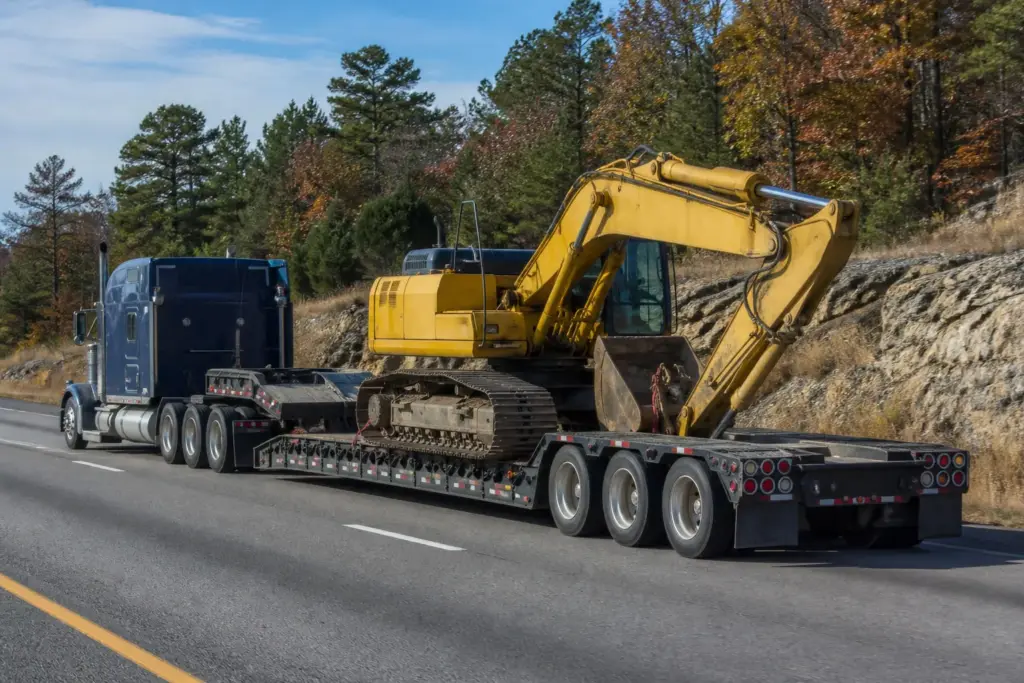
Verified Example: Florida Trip, Blanket, and Route-Specific Permits
The FDOT State Permit Office handles OS/OW permits on Florida’s state-maintained highways. Its Over-Weight Over-Dimension Permits page lists four permit types:
- Annual Blanket permits
- Annual Vehicle Specific Blanket permits
- Ten-day Trip permits
- Three-month Route Specific Blanket permits
FDOT notes that the trip and route-specific types require a defined route with the request. Customers can also self-issue trip permits in FDOT’s Permit Application System (PAS) for loads up to 16 feet wide, 18 feet high, 150 feet long, and 200,000 pounds (140,000 pounds for self-propelled equipment), as long as they use the PAS GIS routing feature. Above those numbers, the permit office gets involved.
Florida overdimension fees by permit type
Florida’s Schedule of Fees (Fla. Admin. Code R. 14-26.008) shows exactly where blanket permits stop. For straight trucks and semi tractor-trailers carrying overdimensional loads:
| Dimensions (all must be within the band) | Trip (10 days) | Multi-trip (12 months) | Route-specific (3 months) |
|---|---|---|---|
| Up to 12 ft wide, 13 ft 6 in high, or 85 ft long | $5 | $20 | $5 |
| Up to 14 ft wide, 14 ft 6 in high, or 95 ft long | $15 | $150 | $38 |
| Up to 14 ft wide, 18 ft high, or 120 ft long | $25 | $250 | $63 |
| Over 14 ft wide, 18 ft high, or 120 ft long | $25 | Not issued | $125 |
The key line is the last one. Once a load is over 14 feet wide, over 18 feet high, or over 120 feet long, Florida does not issue a 12-month permit for it at all. That freight moves on a trip permit or a route-specific permit, every time.
Overweight is priced differently. Florida’s overweight trip fees are mileage-based, and the rule adds a $3.33 administrative cost for loads over 80,000 pounds. The rule’s own worked example: a 112,000-pound load traveling 67.5 miles is billed as 75 miles at $0.32, plus $3.33, rounded up to $28, plus a $5 transmission fee when it applies. Florida also publishes separate Blanket Permit Movement Conditions and Blanket Permit Route Restrictions documents on its OWOD permit documents page. A blanket permit holder is expected to know and follow them, because there is no route printed on the permit telling you what to avoid.
Verified Example: Texas Single-Trip and Annual Envelope Permits
Texas general single-trip permit
TxDMV’s General Single-Trip Permit covers non-divisible loads over Texas legal size and weight, up to 254,300 pounds. It is good for one movement, during the times on the permit, from a specific origin to a specific destination. Published details include:
- Fees: a $60 permit fee, plus a highway maintenance fee over 80,000 pounds, for totals of $210 (80,001–120,000 lb), $285 (120,001–160,000 lb), $360 (160,001–200,000 lb), and $435 (200,001 lb and up).
- Over 200,000 pounds: at least 95 feet of total axle spacing, a $35 vehicle supervision fee, and a Shipper’s Certificate of Weight (Form 2280).
- Route Inspection Certification on file before issuance for loads over 20 feet wide, 18 feet 11 inches high, or 125 feet long.
- USDOT check: TxDMV screens the USDOT number against FMCSA’s MCMIS system for out-of-service orders before issuing.
Texas annual envelope permit
Texas sells an annual envelope permit in two forms, company-specific and vehicle-specific. Both expire one year from the effective date and cover non-divisible loads that stay within:
- Width: 12 feet
- Height: 14 feet
- Length: 110 feet
- Weight: 120,000 pounds gross
The annual fee is $4,000. TxDMV adds a few rules that matter for planning. You can buy a single-trip permit to use alongside the annual envelope to raise the height or width limit for a specific move, but length and weight can’t be raised that way. The permit can’t be amended or transferred between vehicles or permittees. General escort and equipment requirements still apply, and so do any curfews and conditions printed on the permit.
Texas’s overview page also lists an annual length permit for non-divisible overlength loads, and its fee table shows a multi-state (WASHTO) permit whose cost depends on the states included. Those are niche tools, but worth asking about if your freight is consistently long rather than wide.
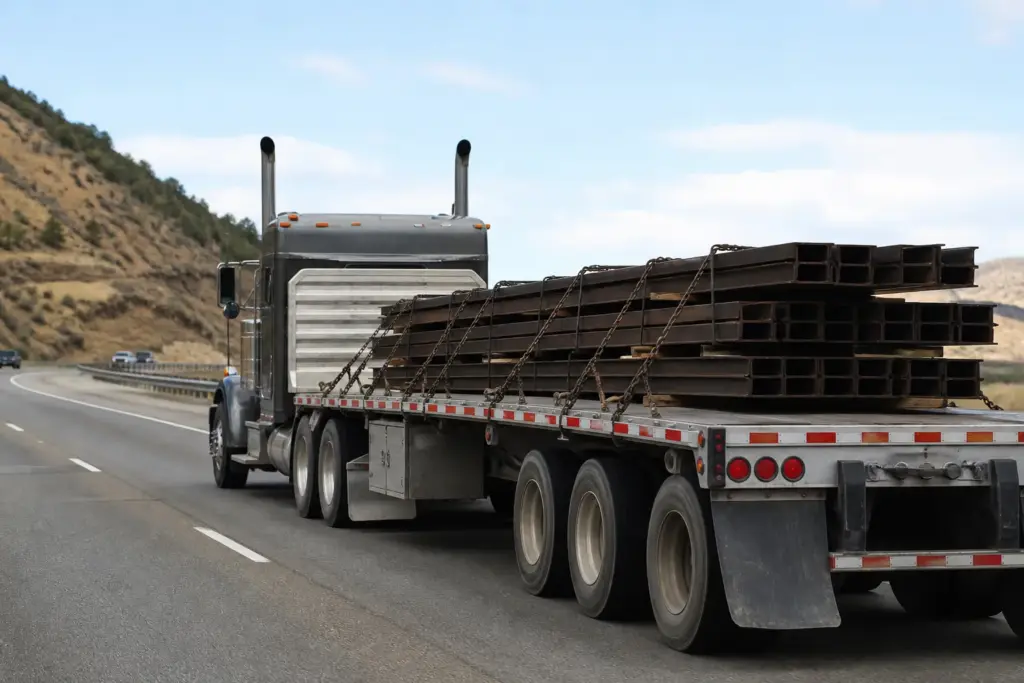
The Break-Even Math Shippers Actually Use
The same freight can lead to very different answers in the two states, and the fee tables show why:
- Florida: A load up to 14 feet wide and 14 feet 6 inches high costs $15 per trip or $150 for 12 months on the overdimension table. Past ten trips a year, the blanket permit is cheaper on fees alone, before you count the time saved on applications.
- Texas: The $4,000 annual envelope compares against a $60 legal-weight single-trip fee or $210 for 80,001–120,000 pounds. On fees alone, that works out to roughly 67 legal-weight trips, or about 20 trips in the heavier band, before the annual permit pays for itself.
Those are permit-fee comparisons only. Escorts, route surveys, and the time spent applying aren’t in them, and a single denied or delayed application can cost more than the fee difference. Still, the pattern holds. Annual permits pay off for high-frequency, same-size freight, and single-trip permits win for occasional, larger, or heavier moves.
When a Single-Trip Permit Is the Only Option
Annual permits aren’t a shortcut around dimension limits. Plan on single-trip (or route-specific) permits when:
- The load exceeds the envelope. In Florida that means over 14 ft wide, 18 ft high, or 120 ft long for a standard tractor-trailer. In Texas it means over 12 ft wide, 14 ft high, 110 ft long, or 120,000 pounds, unless you’re stacking a single-trip permit for extra height or width.
- The move is superload-class. Texas Superheavy loads have their own permit and engineering process. See our superload Guide.
- The route needs inspection or surveys. Texas requires a Route Inspection Certification above 20 ft wide, 18 ft 11 in high, or 125 ft long, and Florida requires hauler survey letters for very high or wide loads.
- The move is a one-off. Buying a year of coverage for a single excavator relocation rarely makes sense.
What Doesn’t Change With the Permit Type
Switching to an annual permit does not switch off the rest of the movement rules. Under either type, plan for:
- Escorts at each state’s thresholds. See when you need a pilot car.
- Travel windows, including daylight-only movement, holiday blackouts, and metro curfews. See our travel restrictions Guide.
- Signs, flags, and lights sized to each state’s rules. See oversize load signs, flags, and lighting.
- Every other state on the route. A Florida blanket permit does nothing in Georgia or Alabama. Each jurisdiction still needs its own permit.
A Quick Decision Checklist
- Measure the loaded unit on the trailer you’ll actually use. An RGN vs. step-deck choice can move height across a permit band.
- Compare against each state’s envelope. If any dimension or the weight is over the annual limit, plan for single-trip permits in that state.
- Count realistic trips per year per state and multiply by the single-trip fee for your weight band.
- Check permit restrictions. Texas annual envelopes can’t be transferred between vehicles, and a vehicle-specific permit only helps on that one unit.
- Read blanket movement conditions and route restrictions before the first move, and again when the state updates them.
- Keep the permit with the load and follow its printed conditions. The issued permit always overrides a summary, including this one.
Get the Right Permit Plan With Your Quote
If you aren’t sure whether your freight fits an annual envelope or needs single-trip permits in every state, send us the loaded dimensions, weight, origin, destination, and how often you ship. At Oversize Load Transport, Logi Transports LLC (Sebastian, FL, MC-1636889 / USDOT 4230991) plans permits, escorts, and travel windows for oversize and overweight and heavy equipment hauling moves before the truck is booked.
Call (864) 791-5644, email quotes@logitransports.com, use our contact page, or submit the Logi Transports quote request.
Bottom line: A single-trip permit buys one move for the exact load. An annual oversize permit buys a year of repeat moves inside a fixed envelope. Florida’s 12-month blanket stops at 14 ft wide, 18 ft high, and 120 ft long for tractor-trailers, while Texas’s $4,000 annual envelope stops at 12 ft wide, 14 ft high, 110 ft long, and 120,000 pounds. Measure first, count your trips, and let each state’s envelope decide.