Oversize Load Width Limits: Wide Load Bands, Escorts & Lane Rules
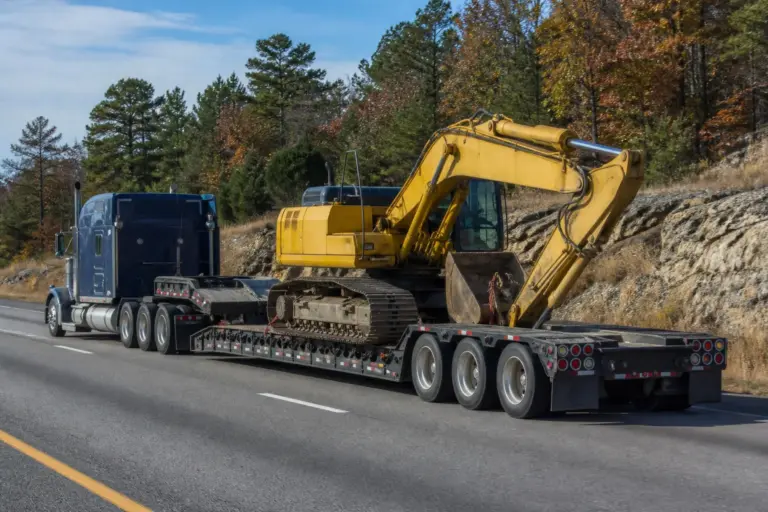
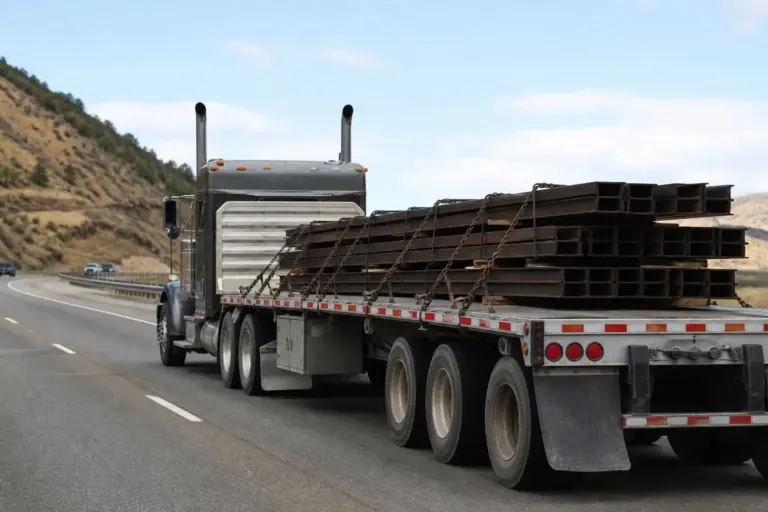
Width is the dimension that turns an ordinary flatbed move into a permitted oversize load faster than any other. Most construction equipment, steel, tanks, and prefab structures run wider than a standard trailer, and every extra foot changes the rules: when you can drive, which lanes you can use, and how many escort vehicles ride along. Getting the oversize load width limit right on every state of your route is the first thing to settle before a quote, a permit, or a pickup date means anything.
This Guide explains where the 8 foot 6 inch legal width comes from, how Florida and Texas add requirements in width bands, and the practical choices that can keep a load in a cheaper band.
Legal width: 102 inches
Unlike height, width is set federally for the main truck routes. Under 23 CFR 658.15, no state may impose a width limit of more or less than 102 inches (8 feet 6 inches) on a vehicle operating on the National Network, with an exception for Hawaii, which kept its 108-inch limit. The same rule says states may still grant special permits for vehicles wider than 102 inches. That permit is what makes a wide load legal.
In practice, anything over 8 feet 6 inches at its widest point needs an oversize permit in each state it crosses. The question isn’t whether you need a permit, it’s which width band you land in, because that decides most of the cost. If you’re new to the terms, our oversize load FAQ covers the basics.
How Florida steps up requirements by width
Florida lays its width bands out clearly in Florida Administrative Code Rule 14-26.012. Each band adds conditions on top of the last:
| Florida load width | What the permit requires |
|---|---|
| Up to 10 ft | Trip or multi-trip permit; all days, daytime hours only; flags required |
| Over 10 ft up to 12 ft | Trip or multi-trip permit; daytime only, no holidays; flags, warning signs, and warning lights. Except for local moves, this is the widest allowed on a straight truck |
| Over 12 ft up to 14 ft | Trip or multi-trip permit; daytime only, no holidays; flags, signs, and lights; at least one escort vehicle at all times |
| Over 14 ft up to 16 ft | Trip permit only; daytime only, no holidays; two qualified escorts, one front and one rear; no two-lane connector routes when a viable four-lane route exists; no movement in congested areas at peak traffic hours |
| Over 16 ft | Trip permit only; local moves only; reviewed by FDOT district traffic engineering. Two qualified escorts on limited-access highways in daytime, and two law enforcement escorts on other state-maintained roads. Items must move by rail, air, or water when possible |
| Over 22 ft | All of the above, plus an affidavit that the route has horizontal clearance for the load plus two feet on each side |
Florida also sets where a single escort rides. When one escort is required for an overwidth load, it leads the load on two-lane highways and follows it on four-lane divided highways. Escorts must stay within 300 feet of the load unless road conditions or the permit say otherwise.
How Texas handles wide loads
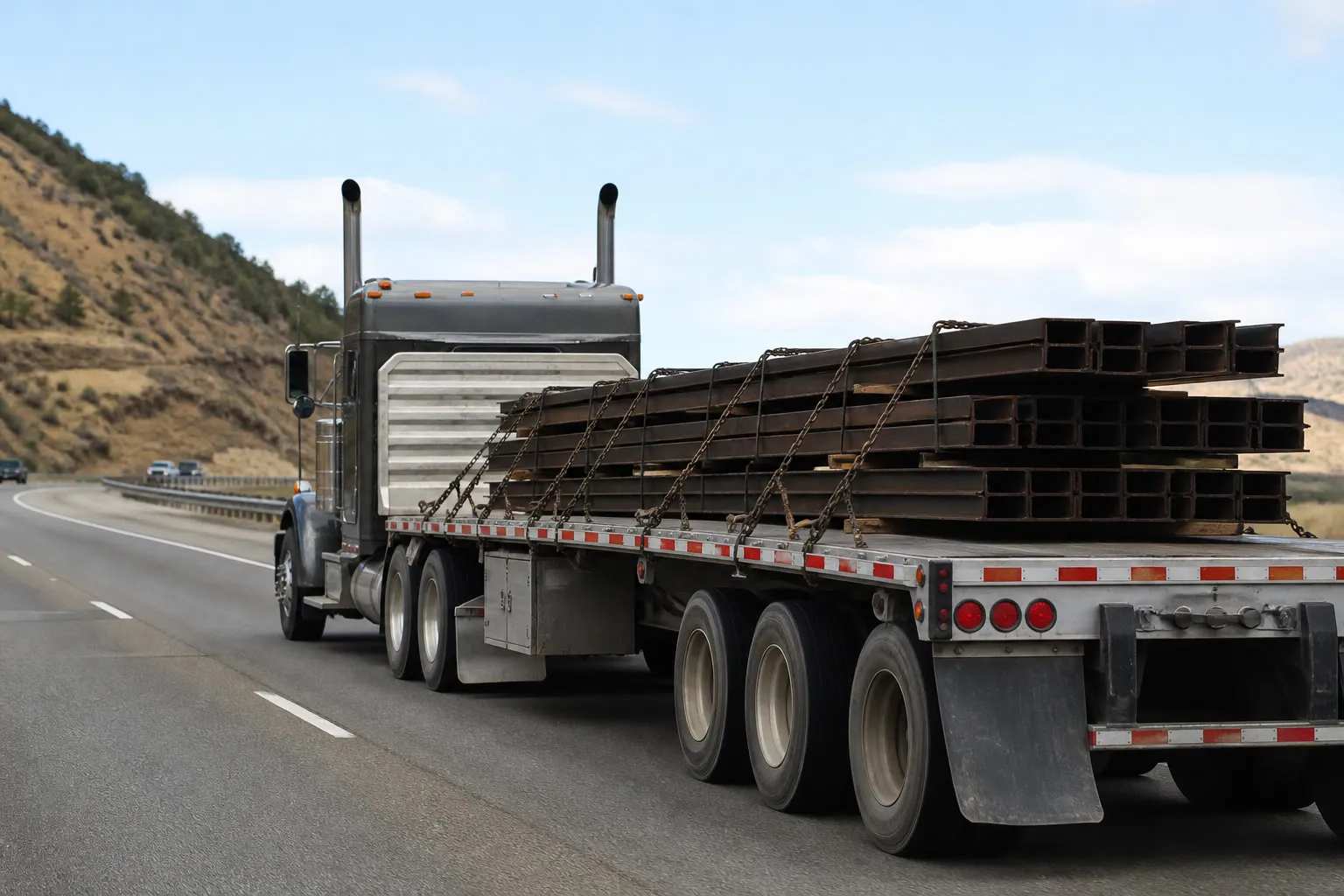
Texas uses different break points, set out in 43 Texas Administrative Code 219.11. Unless TxDOT grants an exception based on a route and traffic study:
- Over 12 feet wide, the load must travel in the outside lane on multi-lane highways unless the permit says otherwise.
- Over 14 feet up to 16 feet, it needs a front escort on two-lane roads and a rear escort on roads with four or more lanes.
- Over 16 feet, it needs both a front and a rear escort on all roads, and it will not be routed on the main lanes of a controlled-access highway. Frontage roads may be used when that is safe.
- Over 20 feet, TxDOT furnishes a proposed route, and the applicant must physically inspect it and tell the department in writing whether the load can make it.
Texas also limits night travel. Permitted loads generally move in daytime only, with an exception for loads on an interstate that are no more than 10 feet wide and 100 feet long with legal overhang (or loads that are overweight only).
Why the strictest state sets your plan
Line the two states up and the differences show. A 13-foot load needs one escort in Florida but none in Texas. A 15-foot load needs two escorts in Florida at all times, while in Texas it needs one, placed front or rear depending on the road. A 17-foot load is limited to local moves in Florida and kept off Texas controlled-access main lanes. On a multi-state route, the toughest band on any leg usually decides the escort count, the travel window, and the total days in transit.
Our pilot car Guide goes deeper on escort roles, and our travel restrictions Guide covers daylight, holiday, and rush-hour curfews that tighten as loads get wider.
Ways to land in a cheaper width band
Every band you drop saves escort days and widens your travel window. These are the levers that most often work:
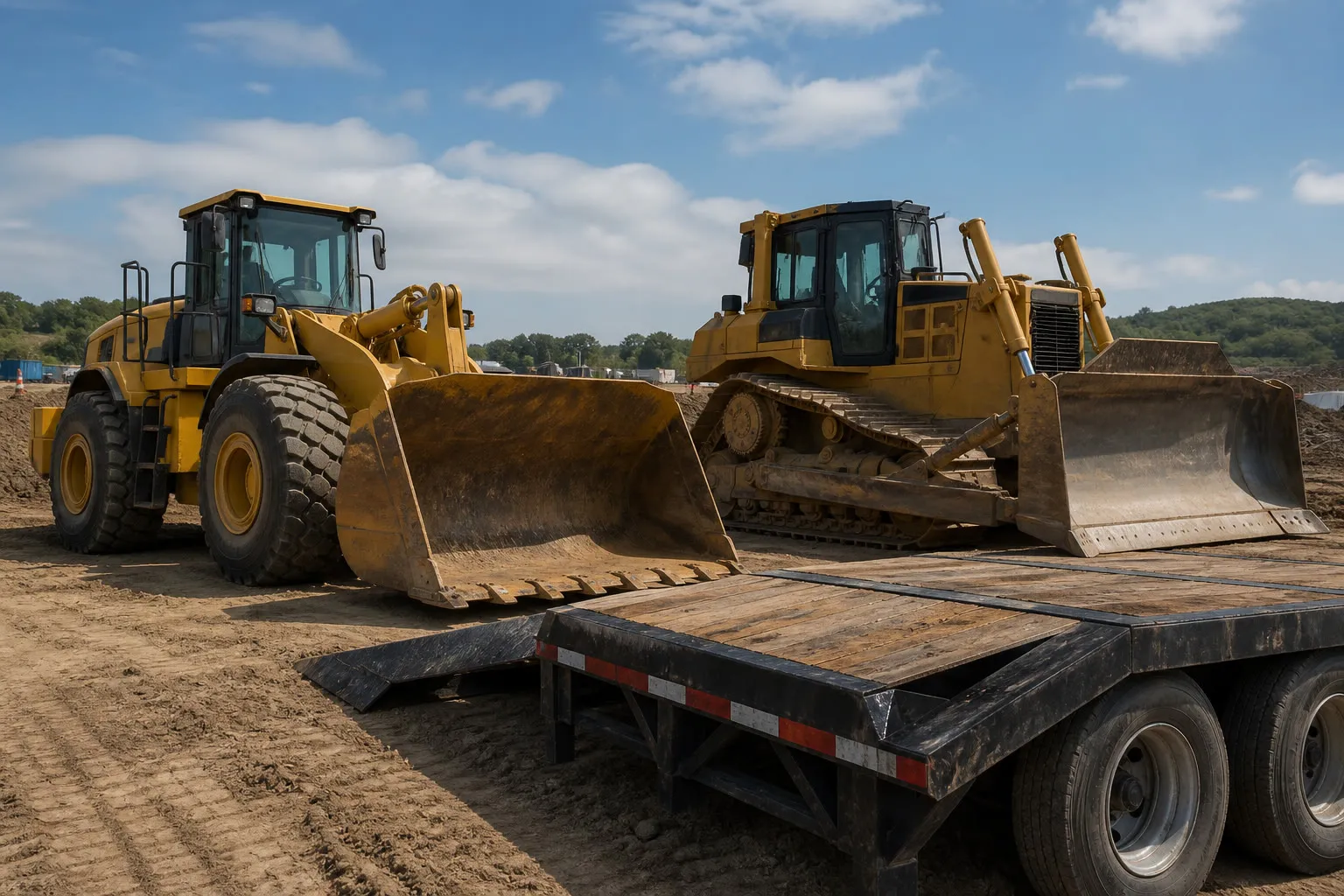
- Remove what comes off. Blades, buckets, counterweights, mirrors, steps, and side attachments add width. Texas even lets a dozer and its detached blade travel on one permit as a nondivisible load when taking the blade off reduces overall width.
- Turn or angle the load. Some fabricated items are narrower one way than the other. Ask whether the piece can ride lengthwise or on edge without overloading an axle or raising the height into a new band.
- Choose the right trailer. Some trailers carry wide loads lower and better supported. Our RGN vs step-deck comparison explains what each deck is good for.
- Measure precisely. A load quoted at 12 feet that measures 12 feet 2 inches on site crosses a Florida band and picks up an escort. Measure the widest point, as loaded.
- Don’t pile on width. Permits are written for nondivisible loads. Extra items can ride along only when they don’t add width, height, or length beyond the permitted piece and stay within legal weights, so check before adding anything.
Measuring width for a permit
Permit offices want overall width at the widest point of the vehicle and load together, which is often not the machine’s spec-sheet width. Tracks, tires, mirrors, handrails, and anything strapped to the side count. Measure at the widest point after the load is positioned, and round up. Our step-by-step Guide on how to measure an oversize load for a permit quote covers width alongside height, length, and overhang.
If the load is also tall, check height at the same time. Width and height bands are separate, and our oversize load height limits Guide shows how Florida and Texas treat tall loads. Heavy wide loads add axle questions too, covered in our bridge formula and axle weight Guide.
Signs, flags, and lights for wide loads
Wide loads need to be seen. In Florida, vehicles or loads over 10 feet wide must carry “OVERSIZE LOAD” warning signs and amber warning lights that approaching traffic can see from at least 500 feet, along with clean, high-visibility flags at least 18 inches square on all four corners and at the ends of any projections. Our Guide on oversize signs, flags, and lighting compares the details.
Wide load planning checklist
- Measure overall width at the widest point, as loaded, and round up.
- Find the width band the load falls into in each state on the route.
- Check whether removing an attachment or changing orientation drops it a band.
- Budget escorts per band, including law enforcement escorts where a state requires them.
- Confirm daytime-only, holiday, and peak-hour restrictions for that width.
- For very wide loads, plan time for route inspections or clearance affidavits.
- Decide between single-trip and annual permits if you move similar loads often.
If you ship wide loads regularly, our comparison of single-trip vs. annual oversize permits can help, and our heavy haul cost factors page shows how width feeds into price.
Get a wide load quoted right
Logi Transports LLC (Sebastian, FL, MC-1636889, USDOT 4230991) arranges oversize and overweight moves nationwide, including permits and escorts for wide loads. Send the load’s width, height, length, weight, and pickup and delivery points. Call (864) 791-5644, email quotes@logitransports.com, or request a quote online. You can also see what details speed up an oversize quote.
This Guide summarizes federal width rules and Florida and Texas permit criteria for planning purposes. Width limits and permit conditions vary by state and change over time; your permit, not this article, governs each move.